- WKND AI
- Posts
- ChatGPT's Dreaming?
ChatGPT's Dreaming?
+Anthropic, the biggest IPO?
In partnership with

Your prompts are leaving out 80% of what you're thinking.
When you type a prompt, you summarize. When you speak one, you explain. Wispr Flow captures your full reasoning — constraints, edge cases, examples, tone — and turns it into clean, structured text you paste into ChatGPT, Claude, or any AI tool. The difference shows up immediately. More context in, fewer follow-ups out.
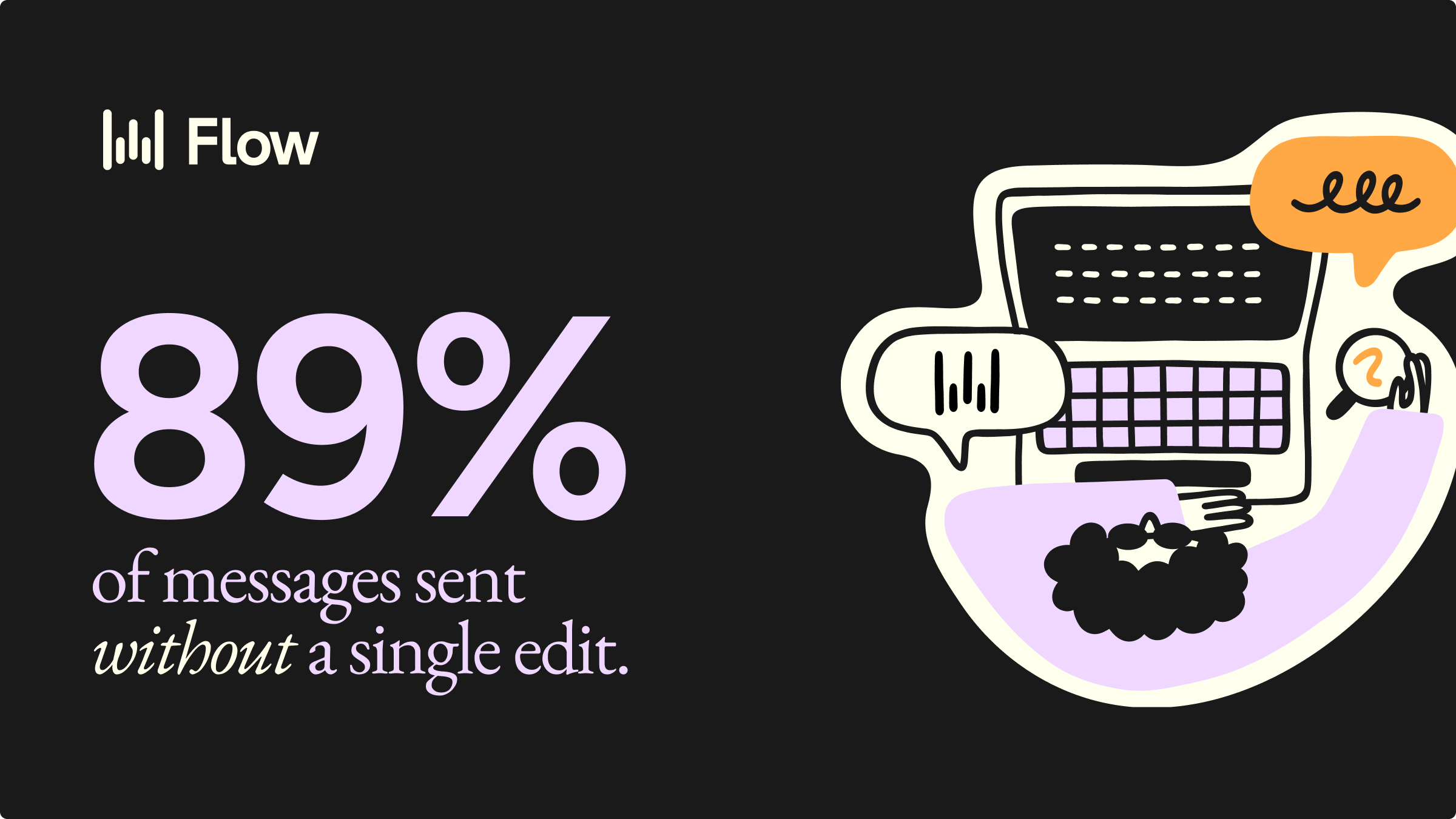
89% of messages sent with zero edits. Used by teams at OpenAI, Vercel, and Clay. Try Wispr Flow free — works on Mac, Windows, and iPhone.
Hello WKND AI Warriors!
Anthropic has confidentially filed for an IPO, setting the stage for what could become the first trillion-dollar AI company.
Also, Anthropic is expanding its Mythos model to 150 companies to find even more serious software vulnerabilities before releasing it to the public.
Plus, ChatGPT now has a new “Dreaming” memory system that quietly updates what it knows about you.
Oh yeah, and New York just passed a ban on new large AI data centers.
Today’s newsletter includes:
💼 AI AROUND THE OFFICE
📰 AI NEWS RECAP
🤿 AI DEEP DIVE
💼 AI AROUND THE OFFICE
Executive Dashboards & “Shadow FP&A”
Background:
I ran an AI lunch & learn for executives, showing Claude Enterprise connected to NetSuite with auto-generated dashboards. The session unlocked demand; executives immediately wanted custom dashboards for their teams.
Pain Point:
When every leader spins up their own AI-generated dashboards, you silently recreate “shadow finance” and lose a single source of truth. On top of that, some metrics Claude created were outright hallucinated, raising the risk of reporting on fake numbers.
Root Cause
No defined “system of record” for key metrics; AI can invent fields or calculations that don’t exist in the ERP.
No governance on who can create, approve, or publish dashboards.
Over-trust in AI’s outputs without validation rules or reconciliation back to NetSuite/FP&A reports.
Resolution:
Treat AI dashboards as a self-service discovery layer, not the official book of record. FP&A owns the canonical metric definitions and publishes an approved catalog; AI tools then sit on top to slice, dice, and explain those approved metrics.
Next Steps (What You Can Do Today):
Make a one-page “metric bible” for your top 20 KPIs: name, definition, source table, and owner.
Tag one system as the authoritative source (NetSuite, Data Warehouse, etc.) and communicate “if it disagrees with this, it’s wrong.”
Turn on a manual review step for any AI-generated dashboard: require FP&A sign-off before it’s used in exec meetings.
Add a simple check: ask the AI to show its underlying query or data fields, and compare those to your metric bible before trusting the chart.
📰 AI NEWS RECAP
ChatGPT's Dreaming?
OpenAI upgraded ChatGPT with a new “Dreaming” memory system that quietly organizes and refreshes information from past conversations. Instead of you re‑explaining preferences and context, ChatGPT now maintains and updates long‑term memories in the background so it can personalize responses and keep continuity across chats.
Anthropic has confidentially submitted a draft S-1 to the SEC, the first formal step toward an IPO that could value the company near or above the trillion‑dollar mark. The filing is under wraps for now, but it signals Anthropic is ready to move from private mega-rounds into the public markets.
Project Glasswing, Anthropic’s AI cyberdefense program built on the Mythos preview model, is expanding to about 150 additional organizations across more than 15 countries. The new wave brings in critical infrastructure sectors like healthcare, energy, and telecoms after early partners used Mythos to uncover thousands of high‑severity vulnerabilities much faster than before.
Google’s new Gemma 4 12B model is designed to run locally on laptops with 16GB of RAM while still supporting multimodal, agent-like workflows. Through Google AI Edge tools, developers can use it for on-device Python analysis, visualizations, and even fully offline voice dictation and editing, powering local agents without cloud calls.
Nvidia’s Nemotron 3 Ultra is an open frontier‑class reasoning model tuned for long‑running autonomous agents. It combines high‑throughput inference, long‑context reasoning, and strong tool‑use support, giving enterprises an open backbone for complex agents that need to run for hours or days.
New York’s legislature passed a one‑year moratorium on new large data centers (20MW+), pending Governor Hochul’s signature, making it the first state to consider a blanket pause. During the freeze, regulators must study data centers’ electricity, water, land use, and pollution, and future projects will have to fund public hearings at least three months before approval.
OpenAI and Oracle are eyeing Michigan as a major site in their giant “Stargate” data center build‑out, part of a plan to secure roughly 4.5 gigawatts of extra capacity in the US. Abilene, Texas, is being expanded from 1.2 to about 2 gigawatts, with additional candidate sites in Wisconsin, Wyoming, New Mexico, Georgia, Ohio, and Pennsylvania as OpenAI races to lock in power and compute for future models.
🤿 AI DEEP DIVE
5 AI risk that can get you fired.
Everyone is using AI at work.
But are you using it the right way?
